In the world of organic vegan bedding, certifications are the quiet, confident signal you should trust. They’re not fashion labels or marketing fluff; they’re third-party attestations that a product’s materials, processing, and supply chain meet defined standards for purity, safety, and ethical practice. For a category as intimate as sleep—where allergens, toxins, and animal-derived inputs can influence comfort and wellbeing—these certifications function as a roadmap. They guide you toward products that align with a vegan lifestyle, minimize chemical exposure, and respect the planet from farm to finish.
The domain organicveganmattress.com leans into an educational approach: a resource hub that deciphers complex standards (GOTS, GOLS, OEKO-TEX) and helps readers evaluate claims on a mattress, pillow, or linen label. Below, we unpack what each certification covers, who grants it, why it matters, and how to read labels with a discerning eye. We’ll weave in real-world examples from the bedding landscape, including plush touches like the Savvy Rest Organic Kapok Pillow and the Naturepedic EOS Classic Mattress, to illustrate how certifications translate into tangible benefits around comfort, safety, and sustainability.
What GOTS Really Certifies
GOTS, or the Global Organic Textile Standard, stands as the gold standard for organic textiles worldwide. It isn’t a single-layer certification; it governs the entire supply chain—from the organic status of the raw fibers to the processing, dyeing, and finishing of textiles. A GOTS certificate means the product contains a minimum threshold of organic material (often at least 70% organic fibers for a textile product, with higher percentages for certain classifications) and that chemical inputs comply with strict toxicity guidelines.
Key criteria include:
- Organic content and sourcing: Raw materials must be certified organic, typically GOTS or equivalent.
- Environmental processing: Restrictions on pesticides, heavy metals, and toxic dyes; limits on emissions and effluents.
- Social criteria: Fair labor practices and safe working conditions.
- Chain-of-custody: Transparent tracking from fiber farm to finished product.
Why GOTS matters for vegan bedding: it ensures that textiles are free from synthetic pesticides and genetically modified organisms in a way that respects both human health and ecological integrity. When you encounter a GOTS label on a pillow cover, sheet, or mattress fabric, you gain confidence that the fiber and dyeing processes align with a more natural, transparent ethos.
GOLS and the World of Natural Latex
GOLS stands for Global Organic Latex Standard. It certifies organic latex from a farm to finished latex components used in mattresses and toppers. GOLS is particularly relevant for vegan bedding enthusiasts who prefer latex for its durability, resilience, and natural breathability, all without animal-derived inputs.
What GOLS verifies:
- Organic latex: The latex must originate from organic practices and be free from synthetic additives that would violate the standard.
- Processing standards: Restrictions on chemicals used during coagulation, curing, and vulcanization; emphasis on low-toxicity treatments.
- Layer and component integrity: Accurate labeling of layers in hybrid builds and the absence of unintended non-organic fillers in core materials.
For shoppers, a GOLS-certified latex component signals a commitment to sustainability and animal-free materials at the core of a sleep surface. In a market where vegan claims can be ambiguous, GOLS provides a verifiable anchor for organic latex products—whether used in a topper, a mattress core, or bespoke foam layers.
OEKO-TEX and the Safety Benchmark
OEKO-TEX is a well-known safety label focused on documenting the absence of harmful substances in textiles. Unlike GOTS or GOLS, OEKO-TEX does not certify organic content; instead, it screens for chemical safety and skin-safety—ensuring products are free from substances that could pose health risks in typical consumer use. OEKO-TEX offers several product classes, with Standard 100 being the most common for textiles used in bedding products.
What to expect with OEKO-TEX:
- Extensive testing for chemicals: Residual pesticides, restricted substances, heavy metals, and allergenic compounds are checked.
- Product-level labeling: The label applies to the specific product tested (e.g., a pillow fabric or a mattress cover) rather than the entire brand’s catalog.
- Independent audits and ongoing monitoring: Certification is refreshed through periodic retesting and factory audits.
OEKO-TEX is a practical shield for anyone who wants a that peace-of-mind sleep surface. It complements GOTS and GOLS by focusing on chemical safety, even in fibers and finishes that may not be strictly organic, ensuring that what touches your skin is free from a long list of potentially harmful substances.
Myths, Realities, and Practical Verification
Myth: If a product is labeled “organic,” it’s automatically vegan. Reality: Organic status refers to how the fiber is grown; vegan status depends on whether any animal-derived inputs (like wool, silk, or animal-based adhesives) are used in processing or finishing. Always read the full materials list and check for a certified vegan claim in addition to organic certification.
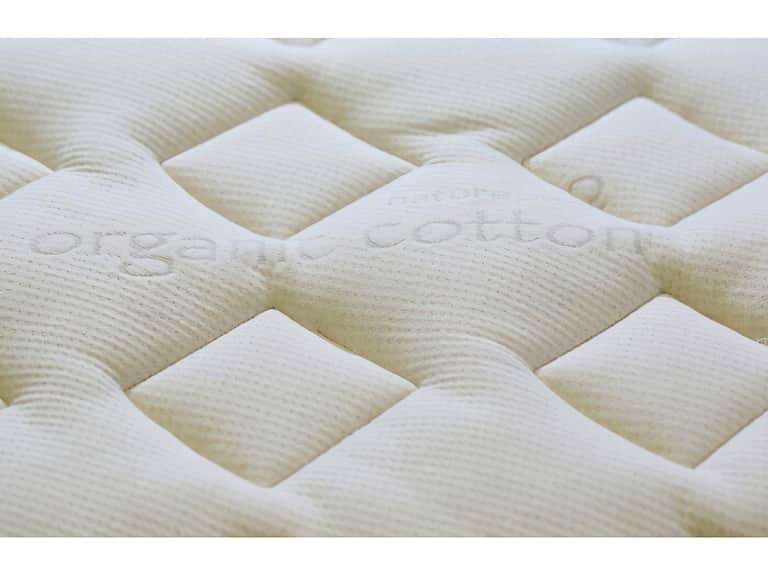
Reality: A brand may tout a material as “organic cotton,” but if the processing uses non-organic dyes or finishes that fall outside the scope of GOTS, the product might still carry an organic claim in some markets but not a holistic certification.
Practical verification tips:
- Look for the certifier name on the label (e.g., GOTS, GOLS, OEKO-TEX) and confirm the scope and date of certification.
- Inspect the chain-of-custody statements and supplier disclosures when possible.
- Consider cross-referencing the brand’s public certificates with the certifier’s online directory for legitimacy.
- Ask brands direct questions about post-consumer sustainability, sourcing, and whether vegan formulations apply to all materials in the product.
Case Studies: Real-World Examples
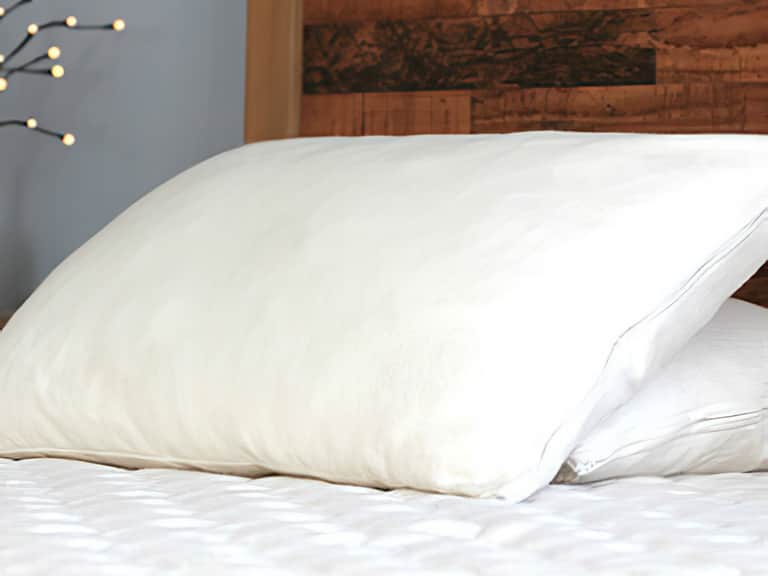
Savvy Rest Organic Kapok Pillow (Pillow, Kapok Fill)
Certified organic kapok with 100% organic cotton cover. Adjustable fill for personalized firmness.
Why it matters: Kapok is a plant-based fiber that offers a down-like loft without animal inputs. The product demonstrates how a vegan-friendly pillow can combine comfort with organic integrity under a clear material and process standard.
Price: $145.00
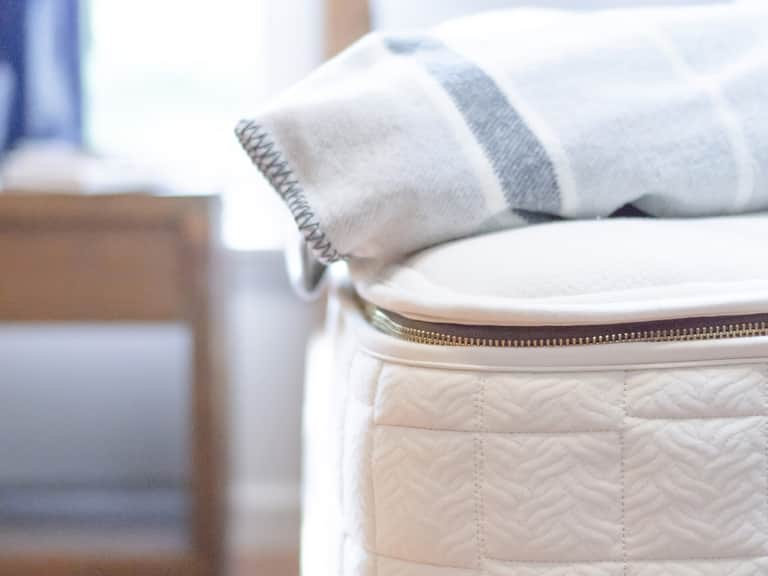
Naturepedic EOS Classic Mattress (Organic, Vegan Option Available)
A fully customizable, entirely organic mattress with a vegan iteration that omits wool.
Why it matters: The EOS line showcases layered customization with organic latex and natural fabrics, while offering a vegan pathway—an explicit alignment with vegan bedding advocates seeking tailor-made comfort within certified organic boundaries.
Price: $2399.00
Naturepedic EOS Classic Mattress – Vegan Option
Vegan configuration without wool, meeting rigorous organic standards.
Why it matters: For vegan sleepers, such a option demonstrates how a luxury mattress can maintain premium organic materials while staying cruelty-free and transparent about ingredient sources.
Price: $2399.00
A Quick Shopping Checklist for Certification Claims
- Certification names and scope: Confirm the certifier, what materials are covered, and the processing stages.
- Geographic coverage and validity period: Look for current citations and where audits occur.
- Chain-of-custody transparency: Request supplier lists and traceability information.
- Material disclosures: Full fiber lists, any chemical additives, and whether the product contains animal-derived inputs.
- Third-party audits: Frequency of audits and whether results are publicly accessible.
This article embraces a Vogue-inspired sense of refined, informed luxury: a world where a well-made bed is not just a place to sleep, but a curated experience of responsible living. Certifications are a passport to that experience, granting access to products that are as ethically sound as they are sensually pleasing.
Time-Traveling Voices: Three Key Individuals from Different Periods
To illuminate how certification concepts in bedding have evolved, we invite three voices from different eras—each offering a distinct perspective on materials, ethics, and beauty in sleep.
Hypatia of Alexandria (c. 370–415 CE)
Hypatia, a philosopher and mathematician, evokes the early quest for knowledge, much like today’s search for transparent sourcing and truth in textiles. Her timeless pursuit—clarity in the face of complexity—mirrors our need to read labels with discernment: to separate myth from method, marketing from measurement. She would remind us to demand evidence, even for the softest of fibers.
Carl von Linné (1707–1778)
Linnaeus’s zeal for classification and taxonomy resonates with today’s labeling philosophy: categorizing fibers, finishes, and certifications so the consumer can navigate choices with confidence. The cushion of a mattress might be as delightful as a meticulously classified herb—where every ingredient has its place and purpose.
Goodall’s enduring advocacy for ethical stewardship of ecosystems aligns with the modern vegan and organic bedding movement. Her ethos—careful observation, respect for living systems, and responsibility—mirrors the certification-driven approach to material integrity and environmental accountability that defines today’s premium sleep surfaces.
Glossary: Quick Reference for Certification Terms
A concise glossary to demystify common terms you’ll encounter while shopping for vegan and organic bedding.
- GOTS: Global Organic Textile Standard. Organic status across the supply chain, with environmental and social criteria.
- GOLS: Global Organic Latex Standard. Certifies organic latex production and processing, from the farm to finished latex components.
- OEKO-TEX Standard 100: Chemical safety certification ensuring textiles are free from harmful substances within tested product classes.
- Chain of custody: Documentation that tracks a product’s materials through every stage of production and distribution.
- Certified vegan: Materials free from animal-derived inputs and by-products across the entire product composition.
Where to Start: A Starter Editorial Plan
If you’re launching a budding resource like organicveganmattress.com, a thoughtful content mix can establish authority quickly while remaining accessible and stylish. Consider a cadence that explores certifications, material deep-dives, shopping guides, and reader Q&As with sustainability researchers and materials scientists. The following starter themes can translate into a 12-week editorial plan:
- Week 1–2: Deep-dive into GOTS, GOLS, and OEKO-TEX with visual infographics explaining scope and processes.
- Week 3–4: Material profiles—organic cotton, natural latex, plant-based foams—against vegan criteria.
- Week 5–6: Certification verification checklists for shoppers and brand transparency.
- Week 7–8: Care and maintenance guides for organic bedding to extend shelf life.
- Week 9–10: Brand roundups: brands offering vegan-certified mattresses or vegan-friendly adjustable systems.
- Week 11–12: Expert interviews and roundups about the science of sleep and sustainable materials.
For a refined, editorial voice channeling Vogue’s poise, the content should balance factual rigor with elegant storytelling. Think fashion-level clarity applied to the lab-grade precision of certifications. The ultimate aim: empower readers to select bedding that resonates with ethical values, sensory delight, and robust safety standards.
Would you like, dear reader, a tailored 12-week editorial calendar or a starter site map with pages and navigation crafted for organicveganmattress.com?