Foam mattresses provide supportive, pressure-relieving sleep surfaces crafted from various foam layers designed to conform to body contours. In the context of organic and vegan sleep products, these mattresses emphasize non-toxic materials, CertiPUR-US or similar certifications, and minimal off-gassing. Key characteristics include zoned support, memory or latex-like comfort, and durable encasements for longevity.
Within the foam category, organic and vegan options prioritize environmentally responsible manufacturing and healthier indoor air quality. Users evaluate density, resilience, and temperature regulation to determine suitability for different sleeping styles. Features such as open-cell structures, graphite or gel infusions, and natural fiber covers contribute to breathability and comfort without synthetic additives.
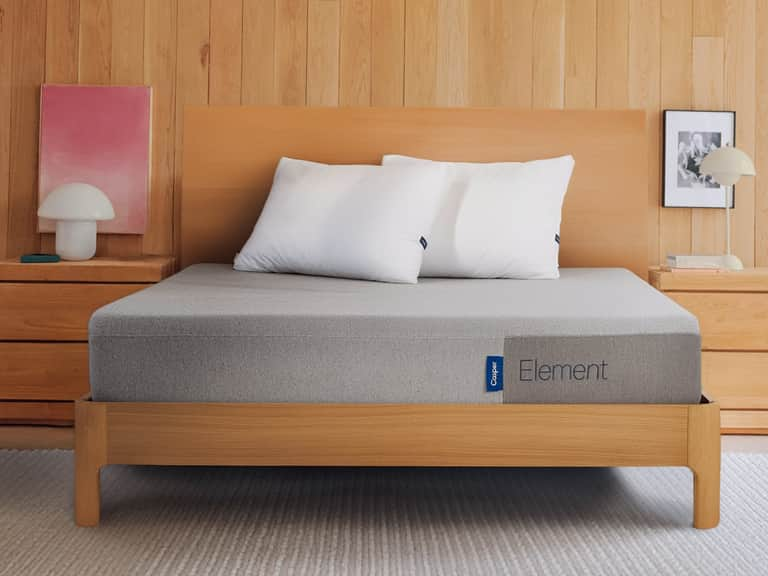
The Element Mattress exemplifies the foam-focused approach by combining layered foam comfort with strategic support cores. It typically integrates a plush surface for pressure relief with a firmer foundation to maintain spinal alignment. Functional benefits include improved contouring for joints, reduced motion transfer, and a balanced feel across sleeping positions.
Important product features to assess include density measurements (pounds per cubic foot), firmness ratings, and cover materials sourced from organic fabrics. For allergy-prone sleepers, discuss foam contouring, antimicrobial treatments, and removable, washable covers. Sustainability considerations also encompass lifecycles, recyclability, and the avoidance of harmful flame retardants.
Understanding the role of foam mattresses in organic bedding involves comparing alternatives like latex and hybrid systems. When selecting within this category, consider compatibility with organic crib mattresses, overall sleep temperature, edge support, and long-term durability. The Element Mattress demonstrates how thoughtful material selection supports restful, healthy sleep environments.
 Mattresses