Wool as a natural material offers unique properties that support comfort and thermal regulation in bedding and mattresses. This category explores organic wool components used in pillows, sheets, and mattresses, emphasizing its breathable structure, moisture-wicking abilities, and resilience. Understanding wool’s fiber anatomy helps explain its long-lasting comfort and suitability for sensitive sleepers.
Organic wool is valued for its cleanliness and high ecological standards, including pasture-raised sourcing and non-toxic processing. In bedding, wool fibers provide insulation without overheating, aiding in temperature balance. This material also contributes to durability, recovering shape over time to maintain supportive sleep surfaces and favorable air movement.
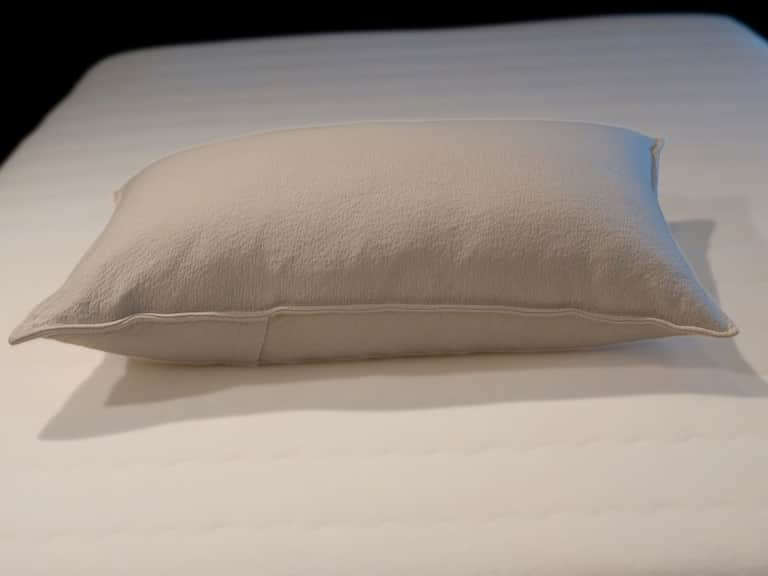
The Healthy Choice Organic Wool Pillow exemplifies how wool enhances sleep quality through structure and comfort. Its fill supports proper head and neck alignment, while moisture management reduces nighttime dampness. This pillow illustrates the functional benefits of wool, including softness, resilience, and hypoallergenic potential for sensitive individuals.
In the broader wool category, components used in organic crib mattresses and bedding systems highlight safety, sustainability, and performance. Wool’s intrinsic flame resistance, coupled with organic certifications, offers a confident choice for restless sleepers and growing children. Learners can compare fiber weights, loft, and cover materials to determine suitability for different environments.
Key product features across this category include temperature regulation, humidity control, and natural odor resistance, all supported by wool’s natural crimp and air-trapping structure. By examining these attributes alongside related bedding essentials like sheets and pillows, readers can assess how organic wool contributes to comfort, cleanliness, and longevity in sleep surfaces.
 Bedding